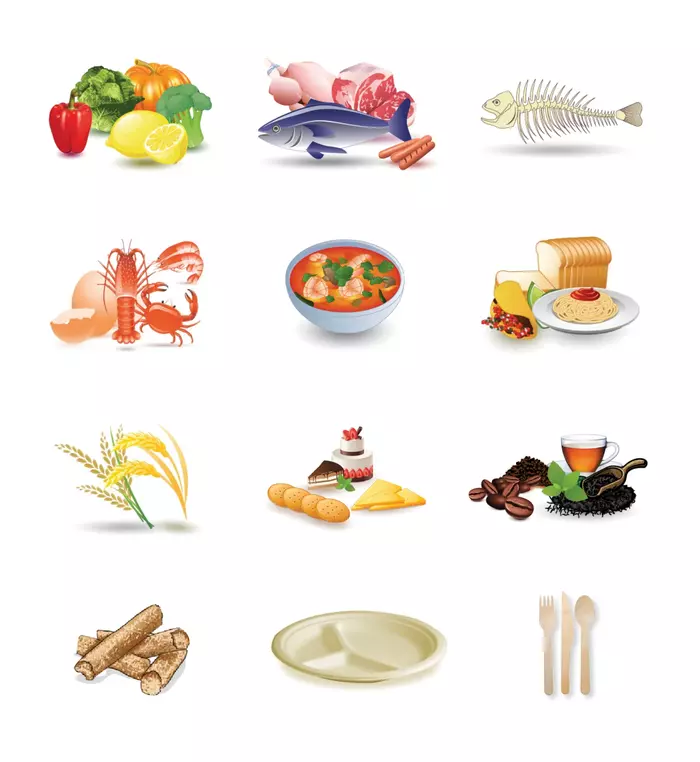
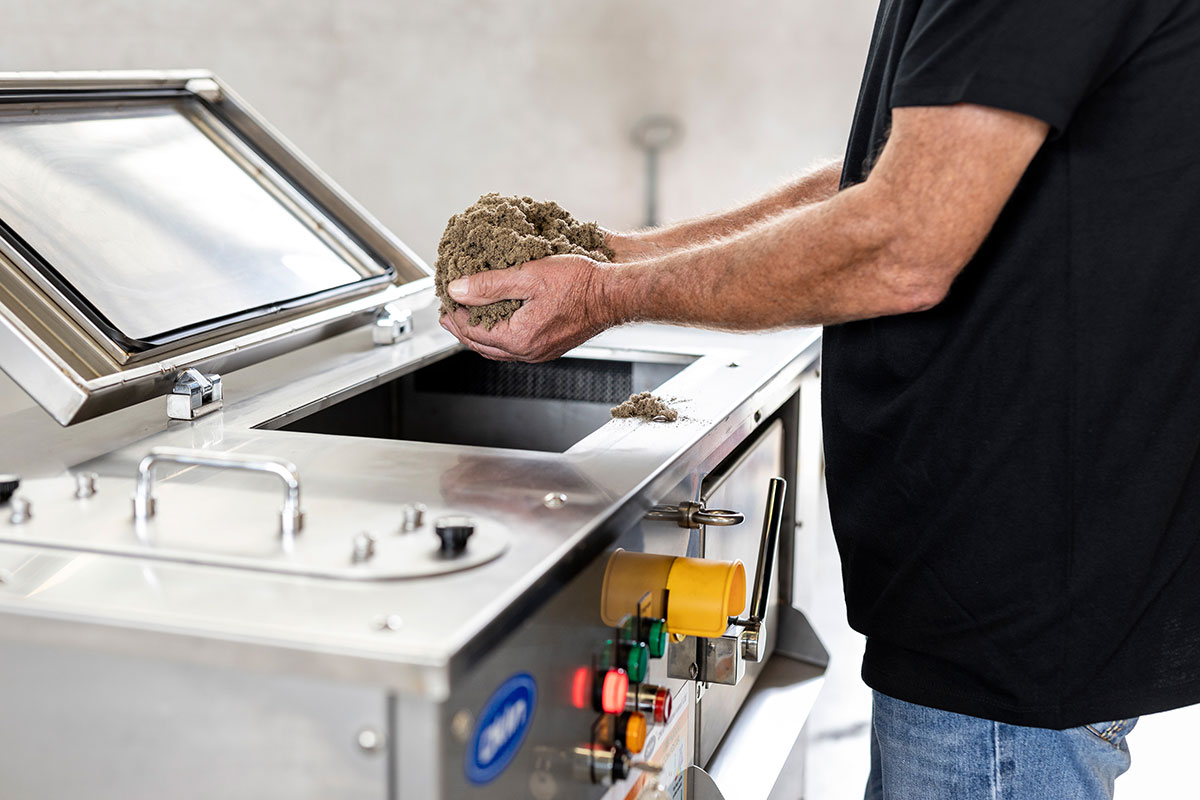
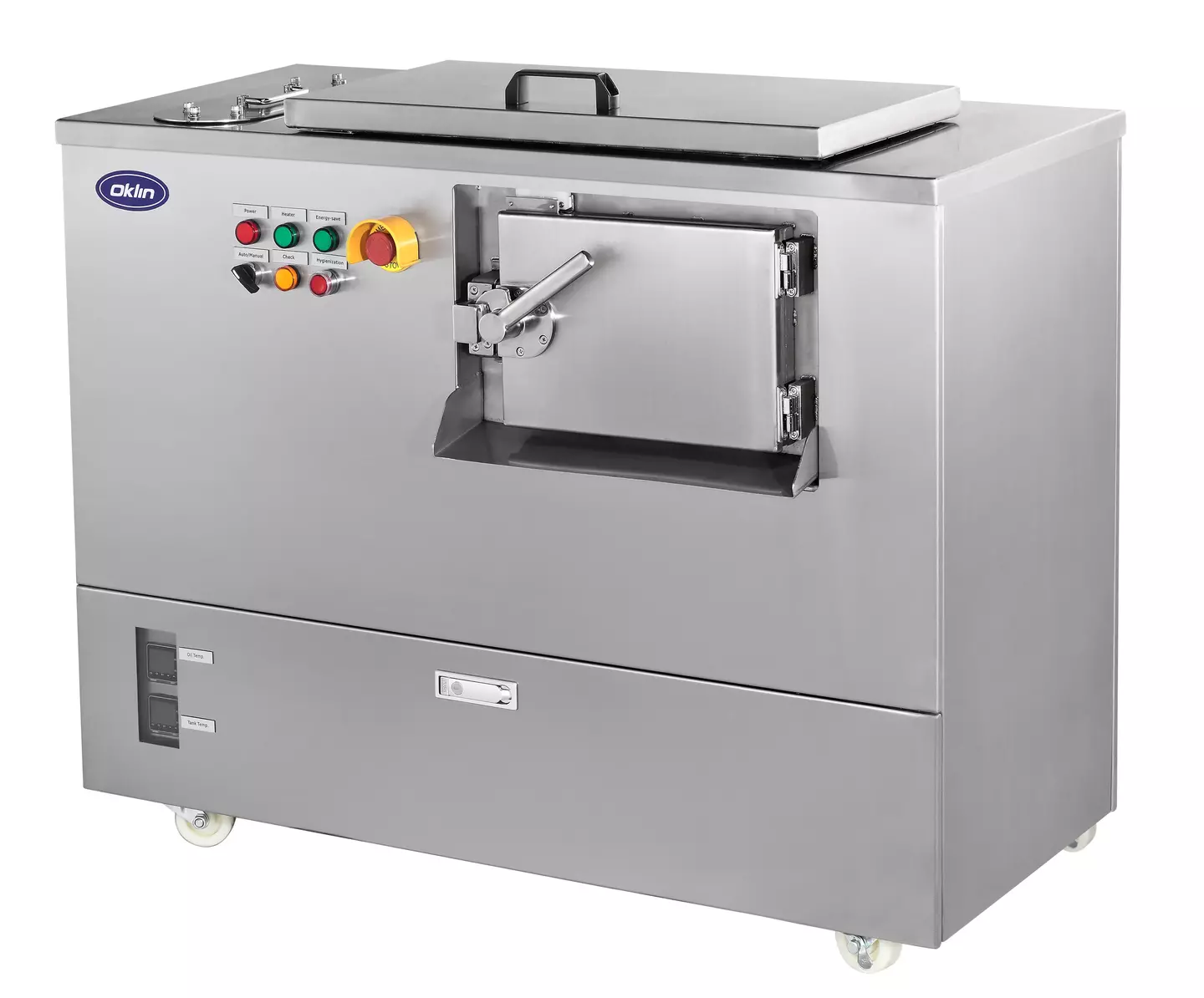
Oklin composting machines use microbiological technologies to break down organic waste and single-use tableware made from renewable raw materials through fibre extraction, reducing the volume by up to 90 per cent within 24 hours.
Coposting machine
Composting system
The Oklin bio-converters utilise patented microbes under consistently optimal temperature and circulation conditions.
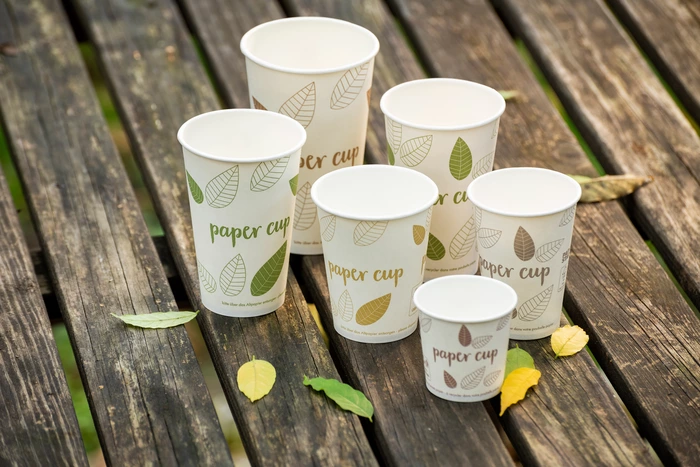
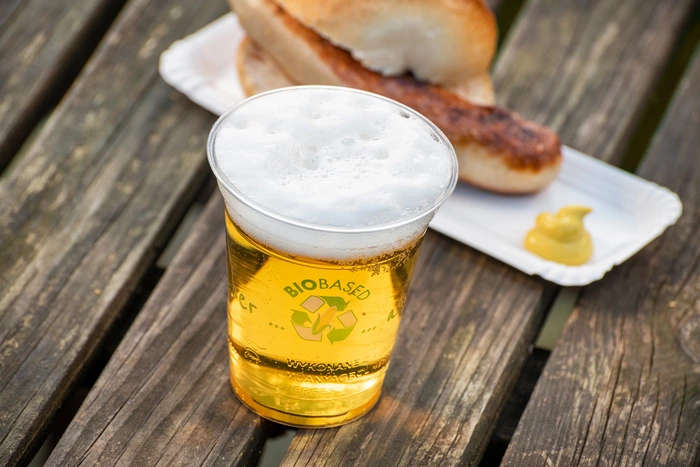
When mixed with organic waste of plant origin or single-use tableware and packaging made from renewable raw materials, these bacteria ensure that the input material does not rot, but is instead processed into a new recyclable material through a fibre-recovery treatment process.
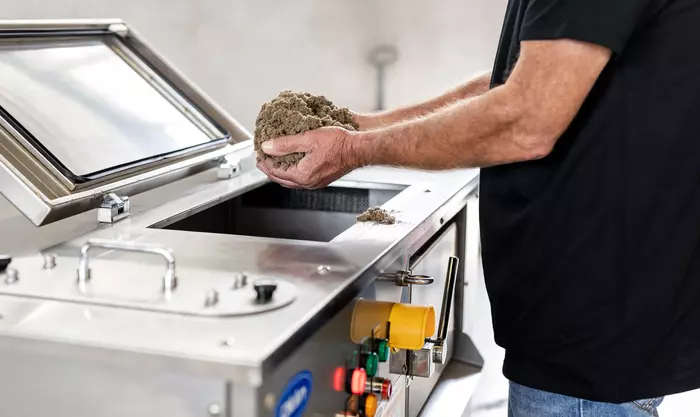
This process results in a significant reduction in volume and sanitisation. The outcome is a fibre-rich secondary raw material with a high cellulose content.
The benefits for customers are clear and range from a significant reduction in disposal costs and a reduction in waste volume of almost 90 per cent within 24 hours to a generally sustainable approach featuring both regional and closed-loop product cycles.
- Oklin’s bio-converter use long-lasting biological microorganisms. These can withstand extreme conditions such as high temperatures, salinity and acidic environments. This ensures a long service life and ease of use. A nano-air filter system ensures that the process is completely odourless.
- All Oklin composting machines feature the latest technology, including a sanitisation function designed to kill any potential pathogenic bacteria during the composting-like process.
- During the sanitisation process (in accordance with European Union Regulation No 142/2011), the temperature in the sealed chamber is maintained at 75 degrees Celsius for a period of 60 minutes. The sanitisation process must not be interrupted under any circumstances.
Consistent legal certainty
To ensure a legally compliant business model, PAPSTAR Solutions GmbH constantly scrutinises the latest regulatory requirements set by the legislator. These include: the Circular Economy Act (KrWG), the Biowaste Ordinance (BioAbfV), the Packaging Act (VerpackG) and the Animal By-products Disposal Ordinance (TierNebV).